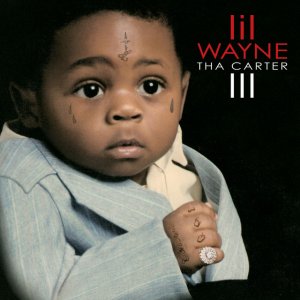
Tha Carter III: How Lil Wayne Conquered the Mainstream
In the annals of hip-hop, few albums represent such a monumental shift from underground legend to global icon as
Lil Wayne's 2008 masterpiece,
Tha Carter III. While the New Orleans rapper had already cultivated a fiercely loyal fanbase through years of prolific output and unparalleled lyrical dexterity, it was this ninth studio album that definitively cemented his place in the mainstream consciousness. It wasn't just a successful album; it was a cultural reset, proving that authentic lyrical prowess could coexist, and even thrive, at the pinnacle of commercial success.
The Underground King's Ascent to the Throne
Before the release of
Tha Carter III,
Lil Wayne was already a titan in the making. His career had seen him evolve from a Cash Money wunderkind to a respected leader of the Hot Boys, and then, through a series of increasingly experimental and acclaimed mixtapes and albums, into arguably the most dominant rapper in the underground circuit. He was known for his relentless work ethic, a seemingly endless stream of free music, and a unique, often abstract, approach to lyricism that defied conventional rap structures.
Indeed, the discerning hip-hop listener was well aware of Wayne’s genius long before his mainstream explosion. His mixtapes like
Dedication 2 and
Da Drought 3 were legendary, showcasing a rapper at the peak of his lyrical powers, effortlessly outshining his peers over a diverse array of beats. His relentless work ethic, leading to
Beyond 50 Projects: The Enduring Impact of Lil Wayne's Music, had already established him as an icon to the core hip-hop community. What
Tha Carter III accomplished was to pull back the curtain for the rest of the world, revealing what the streets already knew:
Lil Wayne was not just good; he was exceptional, and he was coming for the crown. His self-proclaimed title of "the best rapper alive" was no longer a boast, but an increasingly undeniable truth.
A Symphony of Sound and Strategy: Crafting C3's Appeal
The making of
Tha Carter III was a deliberate act of balancing artistic integrity with commercial ambition.
Lil Wayne and his team sought to create an album that would resonate with radio audiences without sacrificing the ingenious wordplay and distinctive flow that defined his artistry. This delicate equilibrium was achieved through a strategic selection of some of the most prominent hit-making producers in the industry, paired with Wayne's unwavering creative vision.
The All-Star Production Lineup
- Kanye West: Known for his innovative sampling and soulful beats, West contributed to tracks like "Let the Beat Build" and "Comfortable," showcasing a more introspective side of Wayne. Interestingly, despite West offering 20 instrumentals, Wayne famously told him to "slow down" and only used three, demonstrating his focused approach.
- Swizz Beatz: A master of high-energy, club-ready anthems, Swizz lent his signature bombast to the album, ensuring it had immediate commercial appeal.
- Play-N-Skillz: The Grammy-winning production duo brought their knack for crafting infectious hooks and accessible sounds.
- Static Major: The late R&B singer and producer contributed significantly, particularly to the album's melodic and love-centric cuts.
This collaboration of diverse talents allowed
Lil Wayne to explore various sonic landscapes. Tracks like the Babyface-assisted "Comfortable" and the T-Pain-featuring "Mrs. Officer" ventured into more R&B-infused territory, demonstrating Wayne's versatility and appeal beyond traditional hard-hitting rap. These songs became instant classics, showcasing his ability to craft relatable narratives around love and relationships, a significant departure from some of his earlier, grittier work. This expansion of his sonic palette was a key factor in broadening his audience.
The Singles That Redefined an Era
While the album as a whole was a masterpiece, it was the trio of lead singles that truly skyrocketed
Lil Wayne to global superstardom, transforming him from a celebrated rapper into a household name.
- "Lollipop": Released as the lead single, "Lollipop" was an undeniable phenomenon. Its distinctive auto-tuned vocals, seductive lyrics, and minimalist beat, produced by Deezle and Static Major, made it an instant club and radio staple. It topped the Billboard Hot 100 for multiple weeks, becoming Wayne's first #1 single as a lead artist and a defining track of the mid-2000s. It pushed the boundaries of rap sound at the time, embracing melodic vocal effects that would soon become ubiquitous.
- "A Milli": In stark contrast to "Lollipop," "A Milli" was a raw, lyrical onslaught. Over a stripped-down, hypnotic beat by Bangladesh, Lil Wayne delivered a relentless barrage of witty punchlines and intricate wordplay. This track served as a powerful reminder of his unmatched lyrical dexterity, proving he could dominate the charts without compromising his street credibility. "A Milli" became a cultural moment, inspiring countless freestyles and firmly backing up his "best rapper alive" claim for anyone who still doubted.
- "Got Money" (feat. T-Pain): A high-energy collaboration with T-Pain, this track showcased Wayne's ability to create an anthemic banger with a potent hook and sharp verses. It further solidified his commercial viability and his knack for creating infectious, broadly appealing music.
These three singles, each distinct in style and appeal, collectively propelled
Lil Wayne to unprecedented heights of popularity, paving the way for *Tha Carter III* to achieve massive commercial success. The album sold over one million copies in its first week alone, a staggering achievement, and ultimately earned
Lil Wayne his first Grammy wins, including Best Rap Album.
The Enduring Legacy: Why C3 Matters More Than Wayne Admits
Despite its monumental impact,
Lil Wayne has famously claimed to be ambivalent about
Tha Carter III, even going so far as to say it "holds no significance" for him. While such a statement might perplex fans and critics alike, it perhaps speaks to Wayne's relentless forward momentum and his artistic desire to constantly evolve rather than dwell on past successes.
However, to fans and critics,
Tha Carter III stands as nothing short of a mid-2000s masterpiece. It is an album that not only showcased
Lil Wayne's unparalleled lyrical prowess but also his undeniable commercial sensibility. It proved that a rapper could maintain complex wordplay, intricate rhyme schemes, and a distinctive persona while simultaneously producing chart-topping hits. This balance reshaped expectations for what a mainstream hip-hop album could achieve. It influenced a generation of artists, demonstrating that authenticity and widespread appeal were not mutually exclusive. Even as
Lil Wayne continued his stylistic journeys, exploring new sounds and pushing boundaries, as chronicled in
Lil Wayne's Evolution: From Lyrical Prowess to Genre Blending,
Tha Carter III stands as a definitive moment of his creative peak. It wasn't just an album; it was a coronation, solidifying
Lil Wayne's status as one of hip-hop's most enduring and influential figures.
In retrospect,
Tha Carter III isn't just a landmark in
Lil Wayne's career; it's a pivotal moment in hip-hop history. It was the album that took a street prophet and transformed him into a global phenomenon, proving that lyrical genius, when paired with strategic commercial appeal, was an unstoppable force. It remains a testament to Wayne's artistry, his foresight, and his undeniable claim to being one of the greatest to ever grace the microphone.