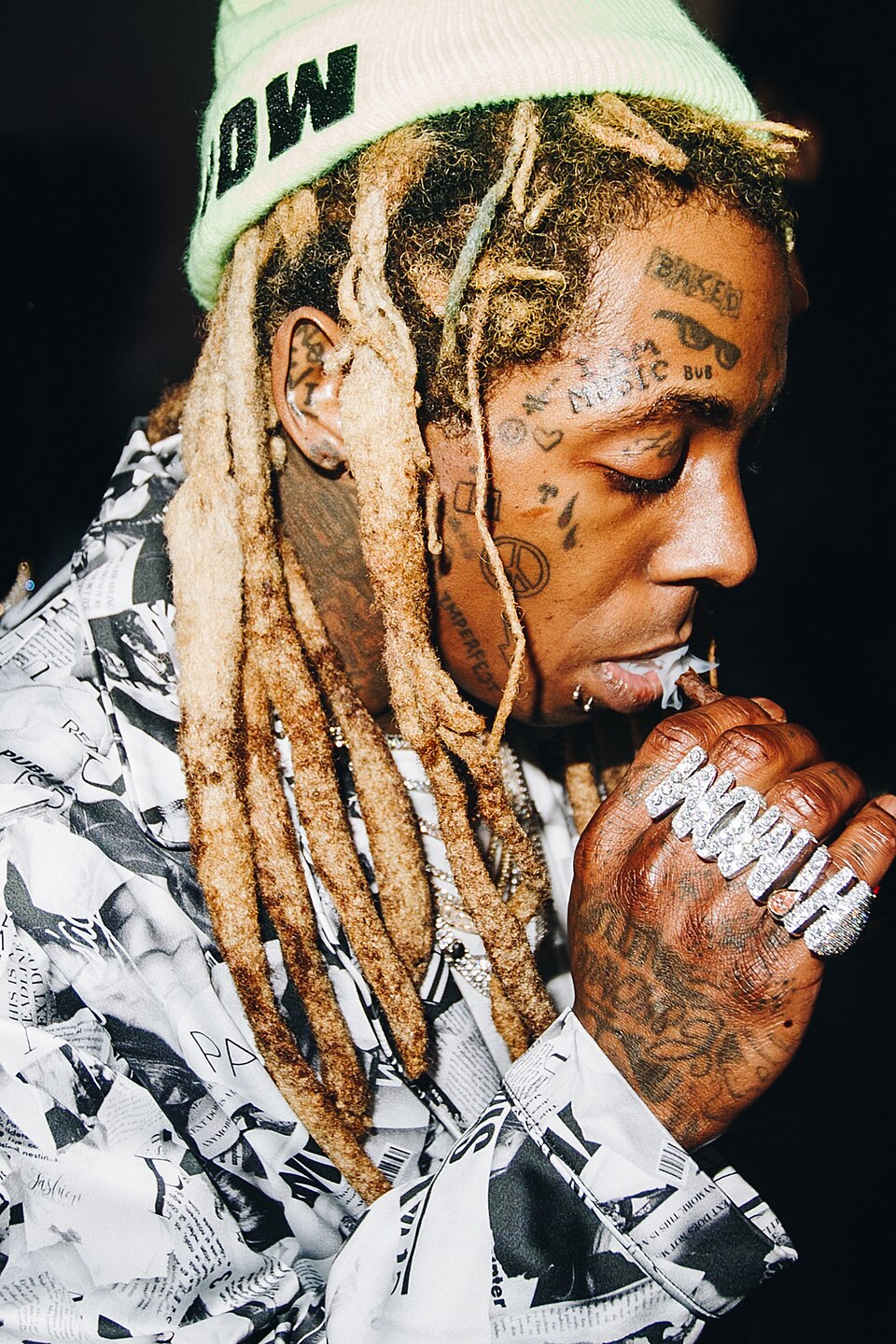
The Unstoppable Ascent: Lil Wayne's Evolution from Rhyme Virtuoso to Boundary-Pushing Icon
Few artists in music history have commanded the lyrical landscape and reshaped popular culture quite like Lil Wayne. From his early days as a teenage prodigy on Cash Money Records to his undeniable status as a hip-hop titan, Wayne's journey is a masterclass in artistic evolution. He transcended the confines of traditional rap, not only solidifying his place among the genre's legends through unparalleled lyrical gymnastics but also fearlessly venturing into new sonic territories, blending genres with audacious creativity. This article delves into the remarkable transformation of Lil Wayne, exploring how his foundational mastery of wordplay paved the way for a career defined by innovation and a relentless pursuit of new sounds.
The Lyrical Architect: Cementing a Legacy of Wordplay
Long before his mainstream coronation, Lil Wayne was already revered in underground circles for his exceptional command of language. His early work showcased a raw, unbridled talent for crafting intricate rhyme schemes, multi-layered metaphors, and devastating punchlines that left listeners in awe. Tracks like "6 Foot 7 Foot" from Tha Carter IV serve as a testament to his continued lyrical prowess, where his rapid-fire delivery and imaginative comparisons painted vivid, often surreal, pictures. Lines such as, "If time is money, I'm an hour past paid" from "Blunt Blowin'" encapsulate his clever wit and ability to turn simple concepts into profound statements, instantly cementing his legacy as a wordsmith of the highest caliber.
Wayne's unique flow, characterized by his gravelly voice and often unpredictable cadence, became instantly recognizable. He possessed an uncanny ability to manipulate language, twisting phrases and bending grammar to serve his artistic vision. This foundational skill wasn't just about showing off; it was about conveying complex ideas, emotions, and narratives in a way that resonated deeply with fans. His relentless pursuit of lyrical perfection established a benchmark for authenticity and skill that many aspiring rappers still strive to meet. It was this unwavering commitment to the craft of rapping that formed the bedrock of his monumental success, proving that true artistry, regardless of commercial aspirations, always begins with skill.
Tha Carter III: The Mainstream Coronation and a Paradigm Shift
While Lil Wayne had already amassed a dedicated following and a prolific discography, it was his 2008 masterpiece, Tha Carter III, that propelled him into the global mainstream and cemented his status as the "best rapper alive." For an artist who has released no fewer than 50 mixtapes, albums, and EPs, for any single project to be considered among his most essential works is a monumental achievement, and Tha Carter III makes an unequivocal case. It was a commercial juggernaut, selling over a million copies in its first week, and a critical darling, earning him multiple Grammy Awards.
What made Tha Carter III truly revolutionary was its ability to bridge the gap between underground credibility and undeniable commercial appeal. The album proved to the mainstream what the underground already understood: that Wayne possessed not only unparalleled lyrical prowess but also an undeniable commercial sensibility. He achieved this by enlisting a formidable roster of hit-making producers, including the visionary Kanye West, the high-energy Swizz Beatz, the dynamic Play-N-Skillz, and the late, great Static Major. The goal was clear: create an album that would dominate radio waves without sacrificing his signature ingenious wordplay.
Despite working with an array of top-tier talent, Wayne remained meticulously focused. Famously, Kanye West reportedly offered him 20 instrumentals, but the New Orleans rapper, in his characteristic self-assuredness, told him to "slow down," ultimately using only three of West's tracks, including "Let the Beat Build" and "Comfortable." This curated approach resulted in a cohesive yet diverse 16-song collection. Among its tracks were love-centric cuts like "Mrs. Officer" and the Babyface-assisted "Comfortable," both of which swiftly became instant classics, showcasing Wayne's unexpected versatility. However, it was the explosive success of the album's early singles—the infectious "Lollipop," the lyrically intricate "A Milli," and the swaggering "Got Money"—that truly skyrocketed Lil Wayne to global superstardom and earned him his first Grammy wins. Dive deeper into this pivotal era with our related article: Tha Carter III: How Lil Wayne Conquered the Mainstream.
Interestingly, despite its monumental impact on his career and the genre as a whole, Lil Wayne himself has expressed ambivalence towards Tha Carter III, going so far as to claim it "holds no significance" for him. This detached perspective, perhaps a reflection of his constant forward momentum, only adds to the mystique of an album that, for fans and critics alike, stands as a mid-2000s masterpiece—a record that, even if just for a moment, backed up Wayne’s audacious claim of being the best rapper alive.
Beyond Hip-Hop's Borders: Lil Wayne's Genre Blending Mastery
Even after reaching the pinnacle of hip-hop success, Lil Wayne refused to rest on his laurels. His artistic curiosity led him to continually seek out new sounds and explore uncharted musical territories, most notably exemplified on albums like Tha Carter IV. This era showcased a deliberate push beyond the traditional boundaries of rap, a testament to his boundless creativity and willingness to experiment.
One of the most striking examples of this genre blending is the acoustic guitar-assisted track "How to Love." This departure from his typical hard-hitting rap anthems saw Wayne embracing a melodic, almost pop-ballad sensibility, demonstrating a vulnerability and vocal range previously unheard from the rapper. It wasn't merely a collaboration; it was a complete immersion into a different musical idiom, proving his versatility and appeal to a broader audience.
Furthermore, Tha Carter IV saw Lil Wayne turn his eye towards the world of R&B, seamlessly integrating it into his sound. Collaborations with contemporary R&B heavyweights like Drake on "She Will" and the legendary John Legend on "So Special" were not just features; they were organic fusions that highlighted Wayne's ability to complement and elevate tracks in different genres. These ventures were crucial in solidifying his status as a true musical innovator, influencing countless artists who later felt empowered to experiment with their sound. His courage to step outside the hip-hop box demonstrated that artistic authenticity doesn't mean staying in one lane; it means constantly evolving and challenging expectations.
The Enduring Influence: A Discography of Innovation
Lil Wayne's evolution is not just about a few standout albums; it's about a sprawling discography that continuously pushed boundaries. With well over 50 mixtapes, albums, and EPs, his output is staggering, and each project, in its own way, contributed to his development and cemented his legacy. He transformed from a regional star to a global phenomenon, not just by delivering hits but by consistently innovating, experimenting, and redefining what a rapper could be.
His impact extends far beyond his own sales and accolades. Wayne cultivated an entire generation of artists, either directly through his Young Money imprint or indirectly through his pervasive influence on flow, lyrical style, and genre fusion. Artists worldwide still cite him as a primary influence, a testament to his unique artistry and daring approach to music. His career serves as a powerful reminder for aspiring creatives: master your craft, stay curious, and never be afraid to innovate. Wayne's strategic collaborations, his willingness to embrace new sounds, and his unwavering belief in his unique voice are all key ingredients to his enduring relevance. To appreciate the sheer volume and impact of his work, explore Beyond 50 Projects: The Enduring Impact of Lil Wayne's Music.
In conclusion, Lil Wayne's journey from a lyrical powerhouse to a genre-blending icon is a remarkable narrative of artistic growth and sustained influence. He began by astonishing the world with his complex wordplay and unparalleled rhyming ability, securing his place in hip-hop's pantheon. Then, through landmark albums like Tha Carter III and Tha Carter IV, he proved his commercial prowess while simultaneously shattering genre barriers, fearlessly incorporating elements of pop, rock, and R&B into his distinct sound. His evolution is a testament to an artist who refused to be confined, constantly pushing the boundaries of what was expected and, in doing so, forever changed the landscape of modern music. Lil Wayne isn't just a rapper; he's a true musical visionary whose legacy continues to inspire and resonate across the globe.